See Whether the Dwelling Limit Reflects Rebuilding
Compare the amount and settlement method used for the structure with current property details—not only the purchase price or market value.
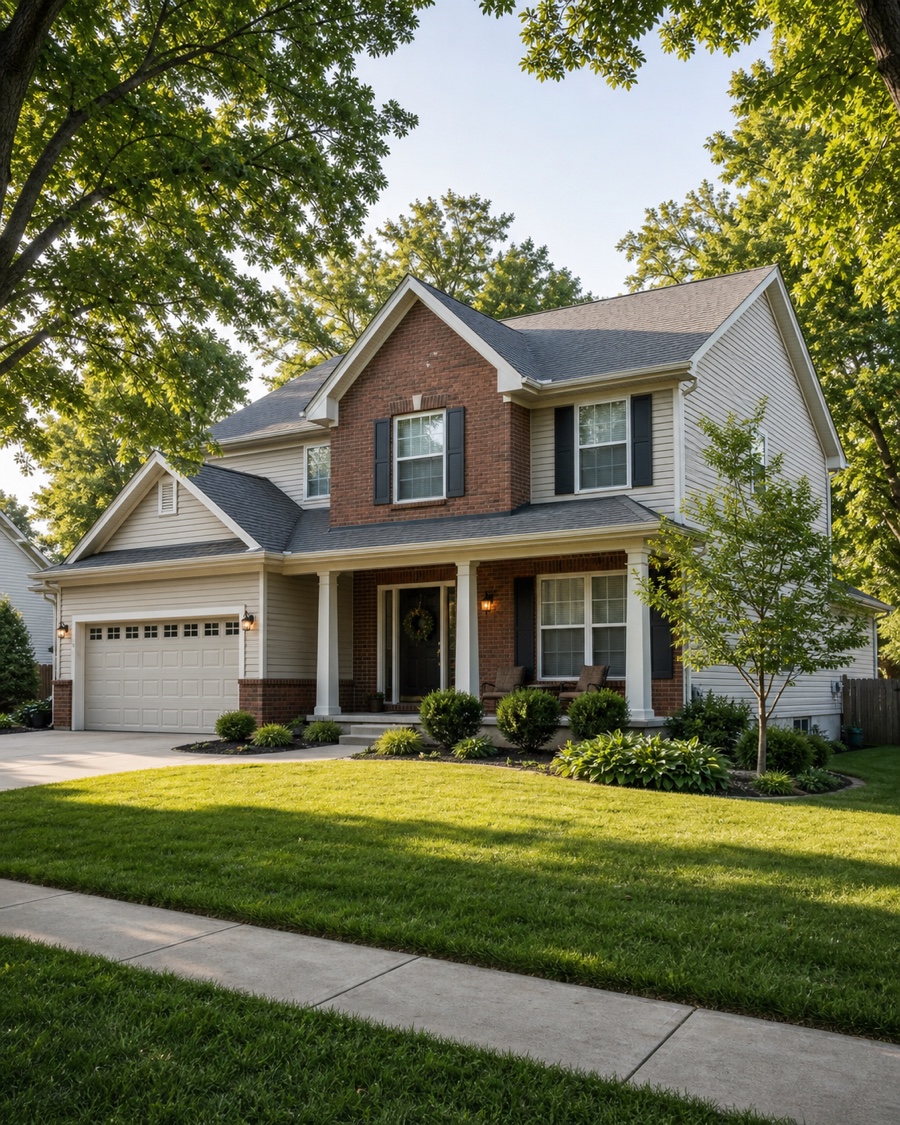
A closing date, new roof, renovation, renewal increase, or years of automatic renewals can change what your policy needs to reflect. We help you compare the dwelling limit, deductible, roof terms, liability, belongings, and temporary living protection behind the premium.
A useful homeowners quote makes the relationship between the property, the premium, the deductible, and the policy terms easier to see before a closing or renewal decision.
Compare the amount and settlement method used for the structure with current property details—not only the purchase price or market value.
Review the amount you would pay, including any separate wind or hail deductible, before the premium becomes the only deciding number.
Include roof age, renovations, occupancy, square footage, systems, belongings, and other changes that may affect eligibility or terms.
Organize lender requirements, current declarations, property details, and the requested effective date before the deadline.

A buyer may be counting down to closing. A current homeowner may have replaced the roof, finished a basement, added a room, or watched the renewal climb.
Those changes matter because homeowners insurance is more than a house-shaped number. It also involves belongings, personal liability, temporary living costs, deductibles, endorsements, exclusions, and how covered damage is settled.
A low premium can look attractive until the deductible, roof treatment, special limits, or excluded causes of loss are understood. A higher premium is not automatically better either.
The practical question is this: if a covered loss forced your household out of the home, would the policy respond the way you expect—and could you manage the cost left to you?
Rock Bridge Insurance organizes the property details and explains what changes between available options so you can compare price, protection, and deadline requirements together.
Each part changes the meaning of the premium. Availability, eligibility, limits, deductibles, endorsements, and settlement terms vary by property and carrier.
Review the amount and method used to insure the structure, including the property details supporting that estimate.
Consider personal property protection and whether jewelry, collections, equipment, or other items may need separate attention.
Compare limits intended to address certain injuries or property damage for which an insured may be legally responsible.
Understand how eligible additional living expenses may be addressed when a covered loss makes the home uninhabitable.
Evaluate the standard deductible, any wind or hail deductible, roof age, condition, material, and applicable settlement terms.
Compare available combination options without assuming a bundle is automatically the lowest-cost or strongest fit.

Rock Bridge InsuranceIndependent insurance guidance across Missouri
Rock Bridge Insurance turns property details, policy language, and lender requirements into a comparison you can follow.
“A useful homeowners quote should tell you more than the premium. It should show what the home is insured for, what you may pay, and what must happen before coverage begins.”
Start with the form. Add current declarations and lender or property documents when available. We review the complete information, identify what is missing, and explain the next step.
Provide the property address, construction and roof details, occupancy, closing or requested effective date, current insurance, lender requirements, and home-and-auto interest.
Email current declaration pages, lender requirements, and available property information to [email protected]. Do not email sensitive personal or payment information.
We identify missing details, inspection or roof questions, prior-loss information, lender requirements, and carrier items that may affect the available options.
We outline what differs, what remains subject to underwriting, and which application, signature, payment, or binding steps must be completed before coverage begins.
Direct answers about rebuilding protection, roof information, flood coverage, deductibles, closing deadlines, bundling, and when coverage begins.
Prepare the property address, purchase or closing date, occupancy, construction details, square footage, roof age, major updates, prior insurance, claims history, mortgage information, requested effective date, and current declaration pages when available.
Accurate property details help us compare the home you own today rather than an earlier version of it.
A homeowners policy commonly addresses the dwelling, other structures, personal property, personal liability, and additional living expenses after a covered loss.
The causes of loss, exclusions, limits, deductibles, settlement methods, and endorsements are governed by the actual policy.
Missouri Department of Insurance home-insurance overview ↗Market value reflects what a property may sell for. Rebuilding cost estimates the labor and materials needed to repair or reconstruct covered property.
A purchase price or tax value is therefore not automatically the correct dwelling limit.
Standard homeowners policies generally do not cover flooding caused by rising surface water. Flood insurance is usually considered separately, and lender, location, waiting-period, or eligibility requirements may apply.
The property’s actual risk and policy documents should be reviewed.
National Flood Insurance Program overview ↗Roof age, material, condition, replacement date, documentation, and prior damage can affect eligibility, inspections, deductibles, settlement terms, and pricing.
Provide the most accurate information available rather than estimating when records can be obtained.
Yes. Buyers often begin before closing so lender and insurance requirements can be addressed in time.
Provide the property details, closing date, mortgagee information when available, and the exact deadline. A quote alone does not satisfy the lender or activate coverage.
Yes. We can compare homeowners and auto options together.
The total premium, discounts, limits, deductibles, policy differences, carrier eligibility, and underwriting fit should be considered rather than assuming a package is automatically the best choice.
Compare the amount you would pay after a covered loss, whether separate wind or hail deductibles apply, the personal liability limit, and the premium difference.
A lower premium may shift more cost or risk to the homeowner, so the trade-off should be explicit.
Start as early as practical. Property records, roof questions, inspections, prior claims, lender requirements, underwriting, or carrier restrictions can take time to resolve.
More lead time creates room to correct missing information before the deadline.
No. A submitted form or preliminary quote does not satisfy lender requirements and does not create or bind coverage.
Coverage requires carrier approval, completed application steps, signatures, payment when required, binding confirmation, and an established effective date.
Tell us about the property, current coverage, closing or renewal date, and the questions you do not want left unanswered. We will review the information, identify missing details, and explain what comes next.
A current quote gives you a clearer basis for comparing the dwelling limit, deductible, roof terms, liability, belongings, and timing behind the premium.
Requesting a quote does not obligate you to change coverage. It gives you information to decide whether an available option makes sense.