
See Whether the Current Price Still Makes Sense
Compare available options with the current premium, vehicles, household drivers, limits, deductibles, and recent changes.
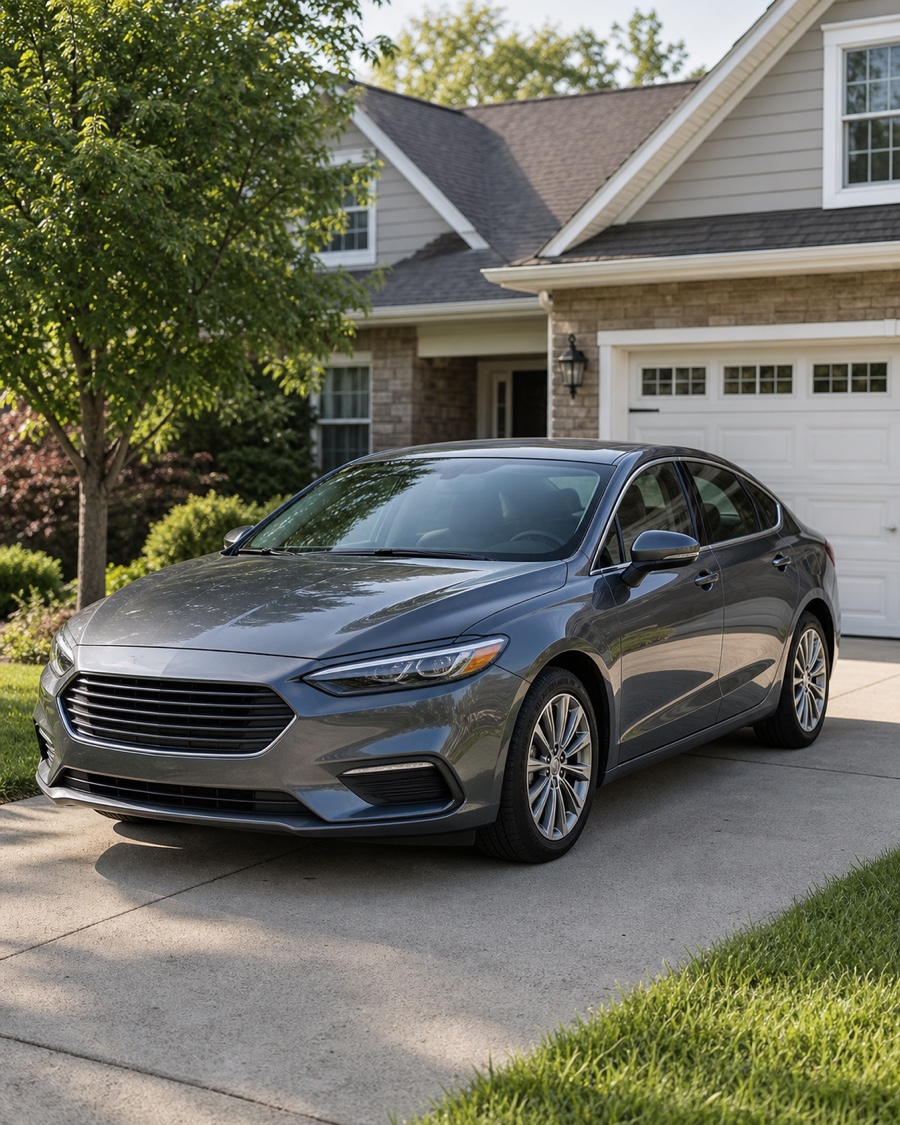
A teen driver, replacement vehicle, longer commute, move, financing change, or higher renewal can change what your household needs. We help you compare current options, limits, deductibles, and what each choice could leave you responsible for.
A current auto quote should help you understand whether the drivers, vehicles, limits, deductibles, and optional protections behind the price reflect the household you have now.
Compare available options with the current premium, vehicles, household drivers, limits, deductibles, and recent changes.
Review liability limits, uninsured and underinsured motorist protection, deductibles, physical-damage coverage, and optional features beside the premium.
Include licensed household members, teen drivers, newly purchased vehicles, financing, garaging, use, and commute changes so the quote starts with accurate information.
Know what information, underwriting, signatures, payment, and confirmation may be required before a vehicle purchase, renewal, replacement, or requested start date.

When the policy began, there may have been fewer vehicles, fewer drivers, a different commute, or less financial responsibility to protect.
Then another vehicle came home. A teenager became licensed. Someone moved, changed jobs, drove farther, financed a car, or began using a vehicle differently.
The renewal continued, but the important questions changed: are all drivers handled correctly, are the liability limits enough, could the household manage the deductible, and did a lower quote remove something you expected?
Nothing has to be obviously broken for the policy to deserve a current comparison. Automatic renewal can preserve old assumptions as easily as useful coverage, so Rock Bridge Insurance organizes the drivers, vehicles, current policy, requested date, and household changes before you compare cost and protection.
Start with the form. Add current declaration pages when available. We review the complete information, identify what is missing, and explain the available options or next required step.
Provide contact information, the requested effective date, vehicle details, household drivers, current or prior carrier information, and the changes that caused you to request a quote.
Email them to [email protected] . Use the subject line: Auto Insurance Documents – Your Full Name. Do not send driver’s-license numbers, Social Security numbers, full VINs, payment information, or claim files through ordinary email.
We identify anything incomplete or unclear, including household drivers, vehicle use, garaging, financing, current limits, deductibles, and carrier information.
We generally follow up within one to two business days after receiving complete information. Timing may vary with scheduling, missing details, carrier availability, and underwriting review.
Direct answers about Missouri requirements, household drivers, vehicle purchases, deductibles, optional protection, timing, bundling, and when coverage begins.
Missouri drivers generally must maintain financial responsibility. A qualifying liability policy commonly includes at least $25,000 per person and $50,000 per accident for bodily injury, plus $25,000 per accident for property damage.
Those legal minimums do not automatically provide the right level of protection for every household, vehicle, or financial situation.
Missouri Department of Revenue insurance requirements ↗Yes. Missouri auto policies generally include uninsured motorist bodily-injury coverage of at least $25,000 per person and $50,000 per accident.
Underinsured motorist, collision, comprehensive, medical payments, roadside assistance, and rental reimbursement are separate considerations that depend on the policy and selected options.
Missouri Department of Revenue insurance requirements ↗Start with the requested effective date, every household member age 16 or older, each vehicle’s year, make, model, ownership, financing, garaging, and use, plus the current carrier and renewal date. Current declaration pages can improve the comparison.
Do not submit Social Security numbers, driver’s-license numbers, banking details, passwords, complete VINs, or claim files through a public form or ordinary email.
Yes. Beginning before the renewal date gives us time to review the current drivers, vehicles, limits, deductibles, and recent changes before a deadline forces the decision.
Keep the current policy in force until any replacement coverage is formally approved, bound, paid when required, and confirmed with an effective date.
Yes. Begin with the expected year, make, model, purchase date, financing status, garaging location, and intended use.
A complete VIN and final purchase information may still be required before coverage can be issued, bound, or confirmed.
A new driver can affect eligibility, pricing, vehicle assignment, discounts, and the information a carrier requires.
List every household member age 16 or older so the quote is not built on an incomplete picture of who may drive the vehicles.
Yes. We can compare liability limits, uninsured and underinsured motorist protection, collision and comprehensive coverage, deductibles, optional features, carrier requirements, and total cost.
The goal is to make the differences visible before you choose.
Yes. We can explore auto and homeowners options together.
Whether a package is available or advantageous depends on the household, property, vehicles, carrier eligibility, selected limits, deductibles, discounts, and underwriting requirements.
We generally follow up within one to two business days after receiving complete information. Timing can vary with scheduling, missing driver or vehicle details, carrier availability, and underwriting review.
A request submitted near a purchase or renewal deadline should clearly state the date.
No. A form submission or preliminary quote does not create, bind, issue, renew, replace, cancel, or modify coverage.
Coverage begins only after all required application, underwriting, signature, payment, binding, and effective-date confirmation steps are complete.
Tell us about the drivers, vehicles, current policy, requested effective date, and the change or concern behind the request. We will review the information, identify missing details, and explain what happens next.