Align the Insurance With Current Operations
Describe the services, customers, locations, employees, subcontractors, revenue, equipment, and other facts that define the business today.
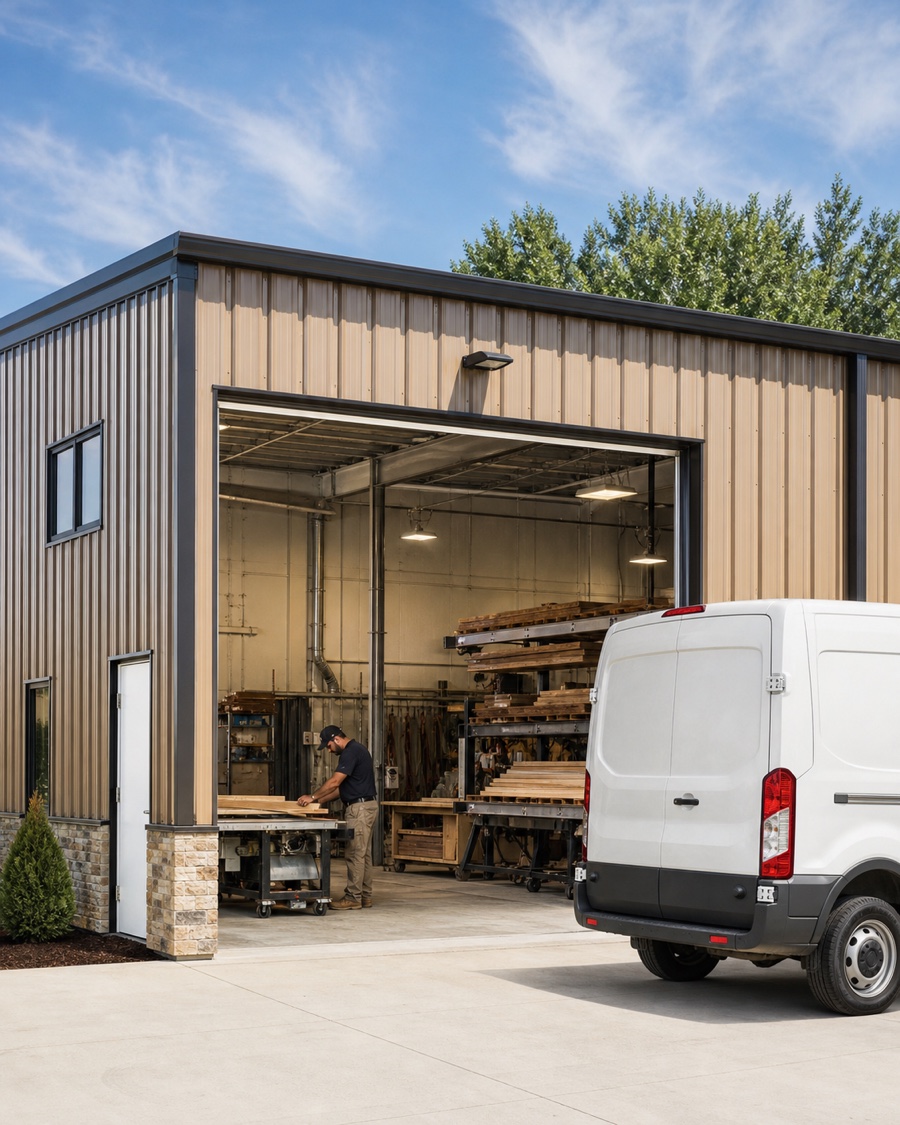
New services, contracts, employees, locations, equipment, vehicles, property, or revenue can change the risk before the policy paperwork changes. We help Missouri businesses describe the operation accurately and compare available coverage paths.
A useful commercial quote begins with the actual operation, the property and equipment used, the people and vehicles involved, the contracts signed, and the interruptions the business could not comfortably absorb.
Describe the services, customers, locations, employees, subcontractors, revenue, equipment, and other facts that define the business today.
Consider liability claims, property loss, damaged equipment, vehicle incidents, suspended operations, and other exposures tied to the operation.
Organize insurance clauses, additional-insured requests, limits, deadlines, and certificate needs before a contract or renewal is delayed.
Compare coverage purpose, limits, deductibles, exclusions, endorsements, and required steps—not only the total premium.

A business may add a service, sign a larger contract, hire employees, buy equipment, use vehicles differently, lease space, or expand into another location.
Each change can alter the operation a carrier is being asked to insure, even when the existing policy continues to renew without drawing attention to the difference.
A low quote is not useful if it describes the wrong work. A broad policy label is not enough if a contract, vehicle, piece of equipment, or source of revenue needs specific attention.
The practical question is: if a claim or interruption happened tomorrow, would the policy reflect what the business actually does—and would the limits and terms address the loss the owner is worried about?
Rock Bridge Insurance helps organize the operation, current coverage, contract requirements, property, vehicles, equipment, and deadlines so available options can be compared on accurate facts.
The appropriate combination depends on the operation, property, contracts, vehicles, employees, revenue, loss history, and carrier eligibility.
Review certain third-party bodily injury, property damage, and related liability exposures, subject to policy terms and exclusions.
Consider buildings, contents, inventory, equipment, improvements, deductibles, valuation, and covered causes of loss.
Compare packaged property and liability options when the operation and carrier requirements support that structure.
Address business-owned vehicles, drivers, use, radius, garaging, limits, and physical-damage needs when vehicles are part of the operation.
Consider eligible lost income and continuing expenses when a covered property loss interrupts operations.
Review limits, additional-insured requests, waivers, certificates, specialized exposures, and deadlines connected to the work.
Rock Bridge InsuranceIndependent insurance guidance across Missouri
Rock Bridge Insurance helps business owners connect operations, contracts, property, vehicles, equipment, people, and revenue to the insurance being requested.
“A useful commercial quote begins with what the business actually does, who it serves, what it owns, and what could interrupt the operation.”
Start with the business, current operation, and deadline. Add current policies, contracts, and loss information when available. We review the complete submission and explain the next required step.
Provide legal business information, operations, locations, revenue, employees, subcontractors, property, equipment, vehicles, current coverage, loss history, and deadline.
Email current declarations, renewal documents, and non-sensitive contract requirements to [email protected]. Use an approved secure process for sensitive records.
We identify underwriting questions, unclear activities, property or vehicle details, loss information, contract requirements, and specialized exposures that need attention.
We outline what differs and which applications, inspections, signatures, payments, underwriting approvals, or carrier confirmations must occur before coverage begins.
Direct answers about liability, property, business owner’s policies, contracts, certificates, vehicles, loss information, timing, and when commercial coverage begins.
The answer depends on what the business does, where it operates, who works there, what property or vehicles it uses, what contracts require, and which losses it cannot comfortably retain.
The actual operation—not only the industry label—should drive the quote.
General liability insurance commonly addresses certain third-party bodily injury, property damage, and personal or advertising injury claims.
Definitions, exclusions, limits, deductibles, endorsements, and the facts of a claim determine what the policy actually covers.
A business owner’s policy, or BOP, commonly combines eligible property and liability coverage.
Not every operation qualifies, and separate coverage may still be needed for vehicles, employees, professional services, cyber events, equipment, or other exposures.
Commercial property coverage may be relevant when the business owns or is responsible for buildings, inventory, equipment, furniture, tenant improvements, or other physical assets.
Leases, lenders, valuation methods, deductibles, and covered causes of loss should be reviewed.
Commercial auto coverage may be needed when vehicles are owned, titled, leased, or regularly used for business operations.
Ownership, drivers, radius, use, cargo, contracts, and limitations in personal policies can affect the correct approach.
Workers’ compensation addresses employee work injuries and is separate from general liability.
Missouri generally requires coverage for employers with five or more employees and for construction employers with one or more employees, subject to exemptions and ownership rules.
Missouri Division of Workers’ Compensation requirements ↗Useful information may include ownership, operations, locations, revenue or payroll estimates, vehicle and driver details, current policies, loss runs, contracts, leases, certificates, equipment schedules, and the requested effective date.
The exact documents depend on the operation and coverage requested.
Yes. A startup can begin when the operations, location, ownership, projected revenue or payroll, equipment, vehicles, contracts, and launch date are sufficiently defined.
Final approval may still depend on completed documents, inspections, licenses, payment, or other underwriting requirements.
We can help identify stated limits, additional-insured requests, waiver language, vehicle requirements, or certificate deadlines that affect the insurance process.
Insurance guidance is not a substitute for legal review of the contract itself.
No. A form, application, quote, proposal, certificate request, or payment discussion does not automatically bind coverage.
Coverage begins only after the carrier’s conditions, signatures, payment, underwriting, binding confirmation, and effective date are complete.
Tell us what the business does today, what has changed, what property or vehicles it uses, and which contract or renewal deadline matters. We will identify missing details and explain the next step.
A current commercial quote helps connect the operation, contracts, property, vehicles, equipment, people, revenue, and deadlines to the insurance being considered.
Requesting a quote does not obligate the business to change coverage. It creates a clearer basis for deciding whether an available option fits.